Pumpkin Cherry Coquette Embroidery Design Review
As I prep my booth inventory for the upcoming autumn craft fair season, I am constantly evaluating which digital assets will translate into physical sales. The Pumpkin Cherry Coquette Embroidery Design immediately caught my eye as a potential bestseller for this year's handmade market. Merging the trending coquette aesthetic with traditional Halloween motifs creates a unique niche that appeals to both vintage lovers and modern spooky enthusiasts. From a professional designer’s perspective, this is not just another jack-o’-lantern file; it is a strategic craft fair product that balances whimsy with commercial viability.
First Impressions: Whimsy Meets Marketability
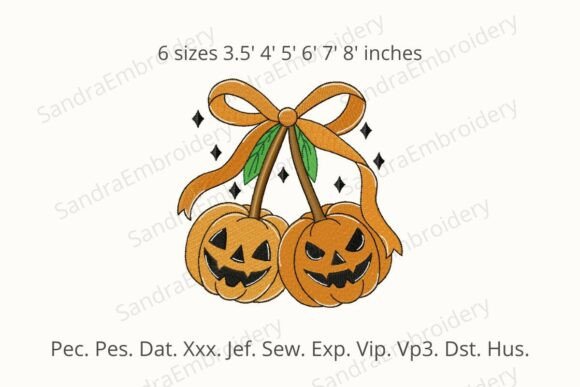
My initial assessment of the Pumpkin Cherry Coquette Embroidery Design is that it feels distinctly soft yet festive. Unlike aggressive or overly gory Halloween embroidery, this design leans into elegance and playfulness. The concept of two mischievous pumpkins hanging like cherries tied with a bow suggests a delicate stitch structure rather than a heavy, dense fill. For an Etsy seller or boutique maker, this visual softness is crucial. It signals to customers that the item is safe for everyday wear and home decor, extending its shelf life beyond October 31st. The design reads as premium and decorative, making it ideal for shoppers looking for subtle seasonal accents rather than loud costumes.
Best Product Applications for Craft Fairs
When planning my production run, I have to consider where this specific machine embroidery design will perform best physically. Not every file works on every substrate, but the Pumpkin Cherry Coquette Embroidery Design offers versatile placement options.
- Tote Bag Design: This is my top choice for weekend markets. The vertical orientation of the "cherry" stems fits perfectly on the center panel of canvas totes. Customers love functional art, and this design transforms a plain bag into a statement piece.
- Apron Embroidery: For baking enthusiasts and cottagecore fans, placing this design on the bib or lower pocket of a linen apron adds immense value. The coquette bow detail elevates the apron from utility wear to a giftable handmade product.
- Tea Towel Embroidery: Kitchen textiles are high-volume sellers. Because the design features hanging elements, it mimics the natural drape of a towel. I recommend using light-colored waffle weave or flour sack cotton to let the thread colors pop without competing with fabric texture.
- Embroidered Patch: Given the compact nature of the pumpkin pair, this digitizing likely works well as a standalone patch. Patches are excellent low-cost add-ons at a booth table and allow customers to customize their own denim jackets or backpacks.
- Fabric Pouches and Pillow Covers: For higher price-point items, this design serves as a charming focal point on zipper pouches or throw pillows. The bow element adds a tactile quality that invites touch, increasing buyer engagement.
Production Practicalities and Selling Points
From a business standpoint, the Pumpkin Cherry Coquette Embroidery Design scores high on repeatability. For batch production, I need a design that registers consistently across different hooping sessions. The symmetrical nature of the cherry-pumpkin pairing aids in alignment, reducing waste during manufacturing. Furthermore, this design photographs exceptionally well for online listings. The clear silhouette and recognizable shapes make for an attractive printable mockup, helping digital buyers visualize the final result before purchasing the digital embroidery file.
Customer attention at a busy market is fleeting. This design succeeds because it is instantly readable. Even from three feet away, the viewer understands the theme. However, it retains enough intricate detail—specifically in the bow and facial expressions—to reward closer inspection. This dual-layer appeal is what converts browsers into buyers. As a small shop product, it bridges the gap between mass-produced holiday gear and high-end artisanal needlework.
Critical Use Notes for Embroiderers
While the aesthetic is lovely, practical execution requires care. As with any specialized embroidery file, you must verify technical specifications before stitching out your entire inventory. Always check the included documentation for exact hoop size requirements and recommended stabilizer types. Do not assume standard tear-away will suffice; if the design includes satin stitch bows or detailed faces, a cut-away or mesh stabilizer may be necessary to prevent puckering on lighter fabrics.
Be mindful of stitch density when adapting this design. If you attempt to resize the Pumpkin Cherry Coquette Embroidery Design significantly smaller than its original dimensions, tiny details like the pumpkin faces or the knot in the bow may become lost or cause thread breaks. Conversely, enlarging it too much without proper re-digitizing can result in sparse coverage. Test the design on scrap fabric that matches your intended fabric texture. Dark fabrics can swallow the definition of the stems and bows, so consider using a lighter thread color or adding an underlay to boost contrast. If producing caps, ensure the curved surface does not distort the vertical alignment of the cherry stems; a cap-specific hoop and firm buckram backing are essential.
Designer Checklist for Commercial Success
Before listing finished goods or selling the file itself, run through this professional checklist to ensure brand consistency and quality:
- Verify Licensing: Confirm whether your purchase includes commercial embroidery rights for finished products. Never assume you can sell physical items made from a digital embroidery file without checking the creator's terms.
- Thread Contrast Testing: Stitch a sample using your intended brand palette. Orange and green are standard, but consider muted terracotta and sage for a more sophisticated, coquette-aligned look that stands out from generic Halloween merchandise.
- Stabilizer Match: Pair the stabilizer weight to the fabric. Heavy canvas totes need different support than sheer organza pouches. Incorrect stabilization is the fastest way to devalue a finished product.
- Create Real Mockups: While digital previews are useful, photographing a real stitched sample builds trust. Show the texture and scale relative to common objects to help customers gauge size.
- Inspect Stitch-Out Quality: Look for registration errors between the pumpkin fills and the outline stitches. Misalignment ruins the perceived value of design assets. Adjust tension or hoop tightness if gaps appear.
- Evaluate Spacing: Ensure there is adequate negative space around the design. Crowding the edges of a tea towel or tote bag looks unprofessional. Proper framing enhances the handmade quality.
Enhancing Booth Displays and Buyer Engagement
Incorporating the Pumpkin Cherry Coquette Embroidery Design into my market strategy allows for cohesive storytelling. By using this single design across multiple product categories—aprons, totes, and towels—I create a branded collection feel. Shoppers are more likely to buy multiple items when they see coordinated design assets. Displaying these items together strengthens the booth’s visual impact and reinforces the playful, elegant mood.
Ultimately, this design represents a smart intersection of trend awareness and technical feasibility. It respects the intelligence of the crafter while delighting the end consumer. Whether you are an established Etsy seller expanding your fall catalog or a hobbyist preparing for your first local market, the Pumpkin Cherry Coquette Embroidery Design offers a reliable path to creating memorable, sellable goods. Just remember to respect the technical limits of your machine and materials, and always prioritize test stitches over assumptions. With careful execution, this adorable pumpkin pair will undoubtedly become a staple in your seasonal commercial embroidery lineup.