Plaid Pattern Snowman Embroidery Design Review
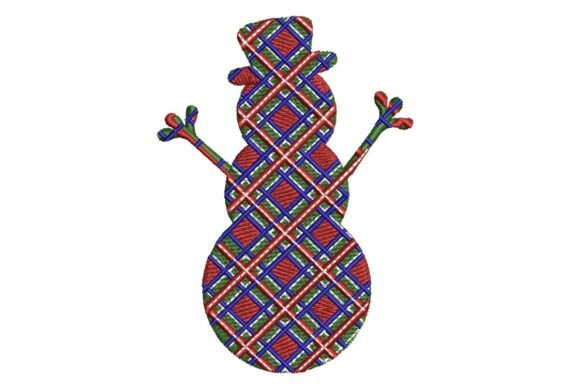
As I curate my upcoming seasonal collection for both my Etsy shop and local craft fair booth, finding the right balance between nostalgic charm and modern stitch quality is essential. When evaluating new digital assets, I look for designs that translate well across multiple product types without requiring excessive editing. My latest review focuses on the Plaid Pattern Snowman Embroidery Design, a festive option available through Creative Fabrica embroidery collections. This design immediately caught my eye as a potential anchor piece for winter merchandise, specifically because it moves away from traditional solid fills in favor of a textured, patterned aesthetic that mimics fabric within the stitch itself.
First Impressions: Rustic Charm Meets Digital Precision
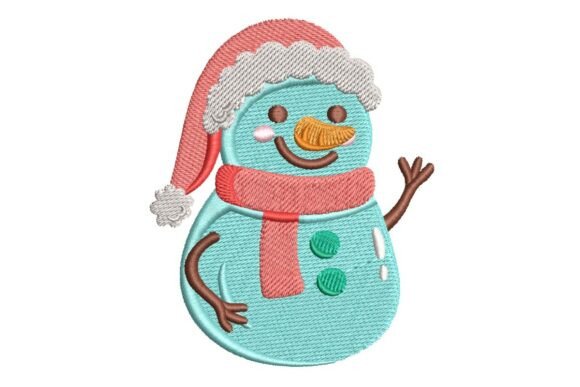
The visual appeal of this machine embroidery design lies in its unique construction. Rather than a standard satin or tatami fill, the entire snowman—from the brim of the top hat down to the three body segments and stick arms—is rendered in a plaid fill. This creates an immediate emotional connection to cozy, rustic winter themes. For holiday embroidery projects, this texture suggests warmth and handmade authenticity, which are critical selling points during the gift-giving season. The stylized nature of the snowman keeps it versatile; it is not overly juvenile, making it appropriate for adult apparel and home decor just as easily as children’s items. As a designer, I appreciate that the plaid pattern acts as a built-in detail layer, reducing the need for additional appliqué or complex color changes while still delivering high visual impact.
Strategic Applications for Holiday Selling Seasons
When planning a commercial embroidery lineup, versatility dictates profitability. The Plaid Pattern Snowman Embroidery Design offers excellent potential for various best-selling categories. Because the fill stitch provides inherent structure, this design is particularly well-suited for sweatshirt embroidery. The texture of the plaid stitches complements fleece and French terry fabrics, creating a premium feel that justifies a higher price point than a simple outline design. For tote bag design, the bold, filled silhouette ensures visibility from a distance, which is vital for market displays where customers browse from several feet away.
Kitchen towel embroidery is another strong application. The rustic plaid motif aligns perfectly with farmhouse and traditional holiday kitchen aesthetics. Since towels are frequent personalized gift items, this design serves as an excellent base for adding family names or dates below the snowman. I also see significant value in using this design for embroidered patches. The dense fill creates a sturdy foundation that holds up well when stitched onto twill backing, allowing sellers to offer add-on accessories for jackets and bags. For home decor, pillow cover applications benefit from the design's central composition, providing a balanced focal point for seasonal styling.
Enhancing Buyer Emotion and Product Value
In the competitive landscape of seasonal embroidery, buyer emotion drives conversion. A standard snowman is expected; a plaid-patterned snowman feels curated and intentional. This distinction elevates the perceived value of the finished product. When customers view a printable mockup featuring this textured design, they can almost "feel" the coziness before purchasing. For small shop product listings, highlighting the unique fill technique in the description helps differentiate your offerings from mass-produced alternatives. Furthermore, maintaining brand consistency across a collection—using this plaid snowman alongside other coordinating plaid-themed designs—builds customer trust and encourages bundle purchases.
Technical Considerations and Designer Notes
While the aesthetic is strong, practical execution requires careful attention to technical details. As with any embroidery file, verifying specifications before stitching is non-negotiable. Always check the Creative Fabrica product page for exact stitch count, compatible formats, and recommended hoop size. These variables determine whether the design fits your current equipment capabilities and production timeline.
- Stitch Density and Fabric Texture: Plaid fills often involve varying stitch directions and densities to create the pattern effect. Test stitch on your intended fabric first. On thick towels or plush fleece, the intricate plaid details may get lost if the density is too low or the underlay is insufficient. Conversely, on lightweight cotton, ensure the design isn't so dense that it causes puckering.
- Stabilizer Selection: Because this design covers a significant area with fill stitches, proper stabilization is critical. Use a cut-away stabilizer for stretchy garments like sweatshirts to prevent distortion. For woven fabrics like tote bags or pillow covers, a medium-weight tear-away may suffice, but always perform a test run to confirm registration holds throughout the entire stitch-out.
- Thread Colors and Contrast: The success of a plaid pattern depends entirely on contrast. If you choose thread colors that are too similar in value, the plaid effect will disappear, resulting in a muddy appearance. Select thread colors with distinct tonal differences to ensure the pattern reads clearly. Metallic threads can add sparkle but may increase friction; test carefully to avoid breaks in dense fill areas.
- Small Hoop Sizes and Detail Loss: Be cautious when resizing this design downward. Complex fill patterns do not always scale well to tiny dimensions. If you need a smaller version for baby items or cuffs, verify that the internal plaid details remain distinct and do not merge into a solid block of stitches.
Navigating Production Challenges
Every embroidery designer knows that what looks perfect on screen requires validation on fabric. Dark fabrics present a specific challenge for this design; ensure your thread selection provides enough brightness to showcase the plaid weave against navy, forest green, or black backgrounds. Without adequate contrast, the design loses its defining characteristic. Additionally, consider washability for items like aprons and kitchen linens. Fill stitches generally hold up well to laundering, but rayon threads may fade faster than polyester. For products marketed as durable handmade gift options, polyester thread is often the safer choice for longevity.
For Etsy seller workflows, creating realistic mockups is essential. Avoid flat, digital-only previews. Photograph a test stitch-out on actual fabric to show customers how the plaid texture interacts with light and material grain. This transparency reduces returns and builds confidence in your craftsmanship. When listing, clearly state that the design features a specialty fill, as this justifies premium pricing compared to basic stock designs.
Licensing and Commercial Use Verification
Before incorporating the Plaid Pattern Snowman Embroidery Design into products for sale, thoroughly review the licensing terms provided by the creator on Creative Fabrica. Licenses vary significantly; some allow unlimited physical sales, while others cap quantities or prohibit certain uses. Confirming these details protects your business and respects the original digitizer’s work. Never assume commercial rights based solely on the platform; always read the specific product license included with your digital embroidery file download.
Final Thoughts for Seasonal Collections
The Plaid Pattern Snowman Embroidery Design represents a thoughtful intersection of traditional holiday imagery and contemporary embroidery techniques. Its unique fill approach offers sellers a way to stand out in saturated markets while evoking the warm, tactile feelings associated with winter celebrations. By paying close attention to stabilizer choices, thread contrast, and fabric compatibility, this design can become a profitable staple in your seasonal lineup. Whether used for limited edition apparel, heirloom ornaments, or everyday holiday accessories, it brings a level of sophistication that resonates with buyers seeking meaningful, well-crafted seasonal goods. As you plan your winter production schedule, consider how this textured snowman might enhance your current offerings and bring fresh appeal to your handmade gift collection.