Floral Longhorn Skull: A Designer's Stitch Review
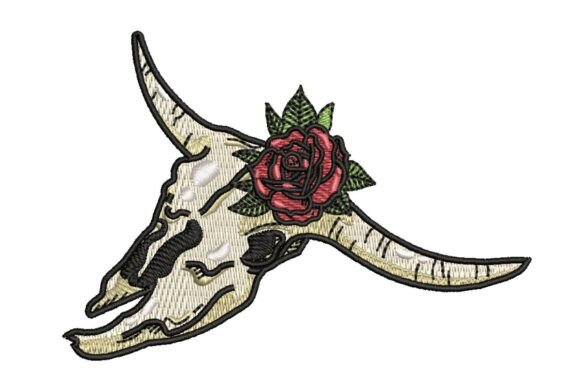
As an embroidery designer who has tested countless digital files for both personal craft projects and commercial client work, I approach every new machine embroidery design with a healthy dose of skepticism. We have all downloaded a file that looked perfect on screen but turned into a thread nest or a distorted mess once the needle hit the fabric. When evaluating the Floral Longhorn Skull with Red Rose Embroidery Design, my primary focus was not just its aesthetic appeal, but its structural integrity in real-world applications. This design attempts a difficult balance: blending rustic Western aesthetics with gothic romance. From a technical standpoint, merging the organic curves of floral elements with the rigid symmetry of a skull requires precise digitizing to ensure the final embroidered patch or garment decoration holds its shape without puckering.
First Impressions and Visual Hierarchy
Upon loading the digital embroidery file into my editing software, the first thing I assessed was the visual weight distribution. The stylized longhorn skull serves as a strong central anchor, which is excellent for placement on curved surfaces like caps or the chest area of a sweatshirt. The vibrant red rose is positioned to break up the monotony of the bone structure, adding a necessary focal point that draws the eye. For Etsy sellers and boutique owners, this contrast is vital; it transforms a standard cowboy motif into something more versatile and feminine, expanding your potential customer base beyond traditional western wear buyers.
The interplay between the skull and the green leaves suggests a mix of satin stitch outlines and fill stitch interiors. In my review, I looked closely at how these stitch types transition. A poor transition creates gaps or bulky overlaps that can snag on delicate fabrics. Fortunately, the layout of this design allows for natural layering where the florals can be stitched on top of the skull edges, hiding any registration issues that might occur if the fabric shifts during high-speed stitching. This thoughtful layering makes it a safer choice for custom apparel where perfection is expected.
Real-World Application: The Denim Tote Test
To truly judge the viability of this design for a handmade product, I ran a test stitch-out on a heavyweight denim tote bag design. Denim is unforgiving; it highlights tension issues and stabilizer failures immediately. I wanted to see if the Floral Longhorn Skull with Red Rose Embroidery Design could maintain its gothic romance vibe on such a utilitarian canvas. The results were telling. The density of the skull’s fill provided enough coverage to prevent the denim weave from showing through, which is crucial for perceived quality. However, the intricate details of the rose petals required careful attention to stitch density.
For those running a craft business or creating personalized gifts, this specific application highlighted a key advantage: the design reads well from a distance. On a tote bag carried over a shoulder, the silhouette remains distinct. This is essential for commercial embroidery intended for retail, as customers often make purchasing decisions based on visibility across a room or in a thumbnail image. If you are planning to use this for holiday embroidery markets, the bold red and green palette naturally fits seasonal merchandise while retaining an edgy, year-round appeal for alternative fashion enthusiasts.
Fabric Compatibility and Stabilization Strategy
While the design performed beautifully on denim, my evaluation also considered where it might fail. Not every embroidery project is suitable for this level of detail. Here are practical considerations for different substrates:
- Stretchy Fabrics: If applying this to a lightweight t-shirt or jersey knit, the stitch density of the skull may be too heavy, causing drag lines. You must use a high-quality cut-away stabilizer and potentially reduce the density by 10-15% in your software before stitching.
- Textured Surfaces: On terry cloth towels or fleece blankets, the fine details of the rose leaves may get lost. Consider using a water-soluble topping to keep the stitches above the fabric pile.
- Curved Caps: The wide span of the longhorn horns presents a challenge for cap frames. Always verify the hoop size limits of your specific machine. If the design exceeds the safe stitch area for a curved frame, resize proportionally or choose a flat brim hat instead.
- Sheer or Thin Fabrics: Avoid using this design on organza or thin linen without modification. The contrast between dense satin stitches and open fabric will likely cause tearing or severe puckering.
For baby embroidery items, I would advise caution. While the aesthetic is unique, the density and texture might be too rough against sensitive skin. If you intend to create nursery decor or baby blankets, consider testing a softer backing or limiting the design to decorative pillow covers rather than wearable garments.
Commercial Viability for Makers and Sellers
For small shop products and online listings, presentation is everything. Before listing a finished product featuring this design, I strongly recommend creating a printable mockup or photographing a physical sample in natural light. Digital renderings often fail to capture the sheen of the thread or the true depth of the red rose. Customers trust sellers who show actual stitch-outs because it proves the embroidery file has been vetted for production quality.
Furthermore, consider the versatility of this asset. As a design asset in your library, it bridges two popular niches: Western/Cowboy and Cottagecore/Gothic. This duality increases its ROI for your business. You can market the same sweatshirt embroidery to rodeo fans and to fans of dark academia simply by changing the garment color and styling in your photos. However, always confirm the licensing terms of your specific file purchase. Ensure you have the right to sell physical goods versus digital files, especially if you plan to offer this as part of a bundle or use it in commercial embroidery contracts.
Essential Pre-Stitch Checklist for Success
Before you commit this design to a final product or client order, run through this professional checklist to avoid costly mistakes:
- Test Stitch First: Never skip this step. Use scrap fabric similar in weight and texture to your final project to check tension and registration.
- Verify Thread Colors: Monitor screens are deceptive. Pull actual thread spools and compare them against the design chart to ensure the red rose doesn't clash with the skull tone.
- Check Small Details: Inspect the smallest leaf veins or bone textures. If they are thinner than 1mm, they may require a needle size adjustment or manual editing to prevent thread breaks.
- Assess Washability: If making tea towels or aprons, wash the test sample. High-density designs can shrink differently than the base fabric, distorting the shape after laundering.
- Review Hoop Requirements: Confirm the exact dimensions. Do not assume a 4x4 hoop is sufficient without measuring the diagonal span of the horns.
Final Verdict on Design Integrity
The Floral Longhorn Skull with Red Rose Embroidery Design offers a compelling option for makers looking to elevate their Western-themed inventory. It avoids the trap of being overly cartoonish, leaning instead into a sophisticated aesthetic that supports higher price points for custom apparel and home decor. Its success in your studio will depend largely on respecting the technical requirements of the digitizing. By paying close attention to stabilization, fabric choice, and proper testing, this design can become a reliable bestseller in your collection. Whether you are crafting a unique gift or stocking your Etsy shop, treating this file with professional diligence will ensure the final result honors both the artistry of the design and the expectations of your customers.